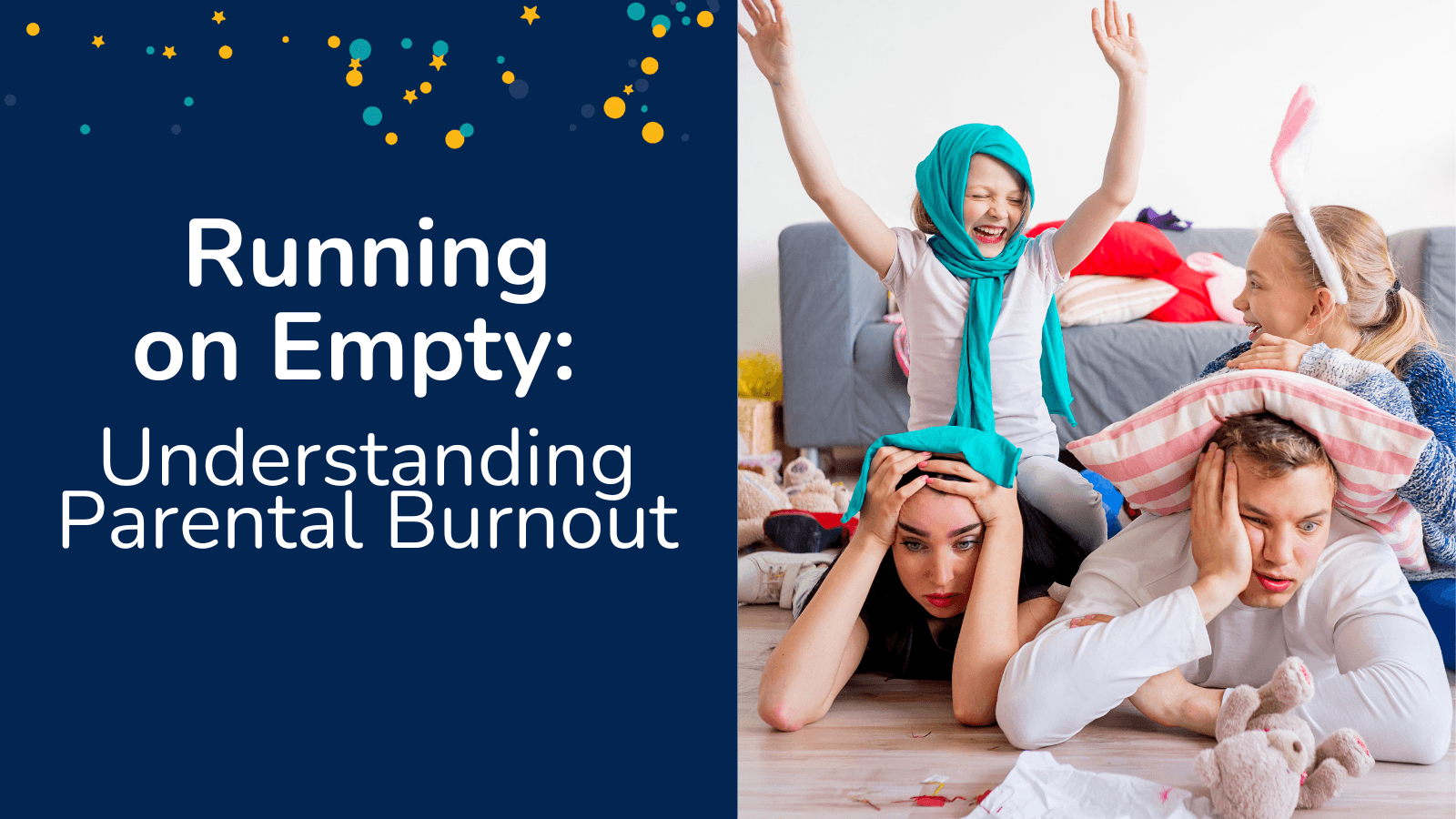
There's ordinary tired — the kind a decent night's sleep can fix. And then there's the other kind: the bone-deep weariness that's still there in the morning, the feeling of running on fumes with nothing left in the tank. If that sounds familiar, you may be brushing up against something with a name: parental burnout. It's more common than most parents realise, and recognising it is the first step to feeling like yourself again.
More than a bad week
Everyone has rough patches. A teething baby, a school project the night before it's due, a week where nothing goes to plan — that's parenting. Burnout is different. It builds slowly, often over months, and it tends to show up in three ways: a deep emotional exhaustion that rest doesn't touch, a sense of distance from your own children (going through the motions rather than enjoying them), and a nagging feeling that you've become a worse parent than you used to be.
That last part is the cruel twist. Burnout convinces you it's a personal failing, when it's really a sign you've been giving far more than you've been getting back. It's not weakness. It's depletion.
The signs worth noticing
Burnout rarely announces itself. It creeps in, and you adjust to it without quite realising. A few things to look out for:
Dreading the day before it has even started.
Snapping over small things, then feeling guilty about it.
A flat, numb, going-through-the-motions feeling, even during moments you'd normally love.
Struggling to switch off, even when you finally get the chance to rest.
Physical signals: headaches, a churning stomach, getting every cold going, or sleep that doesn't refresh you.
One or two of these on a hard week is just life. But if they've settled in and become your normal, it's worth paying attention.
Why parents are so prone to it
Parenting is one of the few roles with no clocking-off time, no weekends, and no obvious finish line. A few things make burnout especially likely:
It never fully stops. Even when the children are asleep, the to-do list keeps running. There's no point in the day when you're truly off duty.
The mental load is invisible. Someone has to remember the dentist appointment, the friend's birthday, who's out of clean socks. That background admin is exhausting precisely because no one sees it — including, sometimes, the people we live with.
Modern parenting comes with an audience. Between well-meaning relatives and the endless highlight reel online, it's easy to feel you're falling short of a standard nobody could actually meet.
We pour out without refilling. Most parents are brilliant at meeting everyone else's needs and quietly putting their own at the bottom of the list. Do that long enough and the well runs dry.
How to start refilling the tank
Recovering from burnout isn't about a single grand gesture. It's about small, repeatable changes that tip the balance back towards taking in as much as you give out.
Name it, don't blame yourself. Simply recognising "I'm burnt out" rather than "I'm failing" changes everything. You're not a bad parent. You're a depleted one, and depletion is fixable.
Actually hand things off. Delegating in your head doesn't count. Pick one or two tasks and give them away properly — to a partner, a relative, a paid hand if you can, or an older child. Then resist the urge to redo them.
Lower the bar on purpose. Cereal for dinner, a skipped bath, a messy living room — none of it will matter in a year. Choosing "good enough" isn't giving up; it's deciding where your limited energy goes.
Build in micro-refuels. You don't need a weekend away (lovely as that would be). Five quiet minutes with a hot drink before the house wakes, a song you love on the school run, two minutes of fresh air at the back door — small refuels, taken often, add up.
Reconnect with one adult. Burnout thrives in isolation. A single honest conversation with someone who gets it — a friend, your partner, another parent — can lift a surprising amount of weight.
Protect a sliver of sleep. Staying up to "get things done" feels productive but quietly deepens the hole. Where you can, guard your own bedtime the way you guard your children's.
Move, gently. Not punishing workouts — just a walk, a stretch, a dance round the kitchen. Movement is one of the most reliable ways to discharge stress that's built up in the body.
When it's more than burnout
Burnout and depression can look alike, and they can overlap. If low mood, hopelessness or anxiety lingers for weeks, gets in the way of daily life, or you find yourself feeling that your family would be better off without you, that's a moment to reach out to a professional — soon, and without embarrassment. Support exists, it works, and asking for it is a sign of strength, not failure.
Where to find support Wherever you are, your doctor, midwife or health visitor is a good first step — no diagnosis needed.
UK — PANDAS Foundation (perinatal support): WhatsApp 07903 508334, or pandasfoundation.org.uk. Samaritans: 116 123.
USA — National Maternal Mental Health Hotline: call or text 1-833-TLC-MAMA (1-833-852-6262), free, 24/7. In crisis, call or text 988.
UAE — National Mental Support Line: 800-HOPE (800-4673), 8am–8pm, Arabic and English. In an emergency, call 999.
You can come back from this
Parental burnout isn't a life sentence, and it isn't a verdict on the kind of parent you are. It's a signal — your mind and body telling you the balance has tipped too far for too long. Tip it back, a little at a time, and the warmth and energy you're missing tend to return. Looking after yourself isn't a reward you earn once everything else is done. It's what makes everything else possible.


